
In the world of modern medicine, “wait and see” is rarely the best strategy. Whether it’s a persistent headache or a family history of heart disease, knowing what’s happening inside your body before symptoms escalate can be the difference between a simple fix and a long-term struggle.
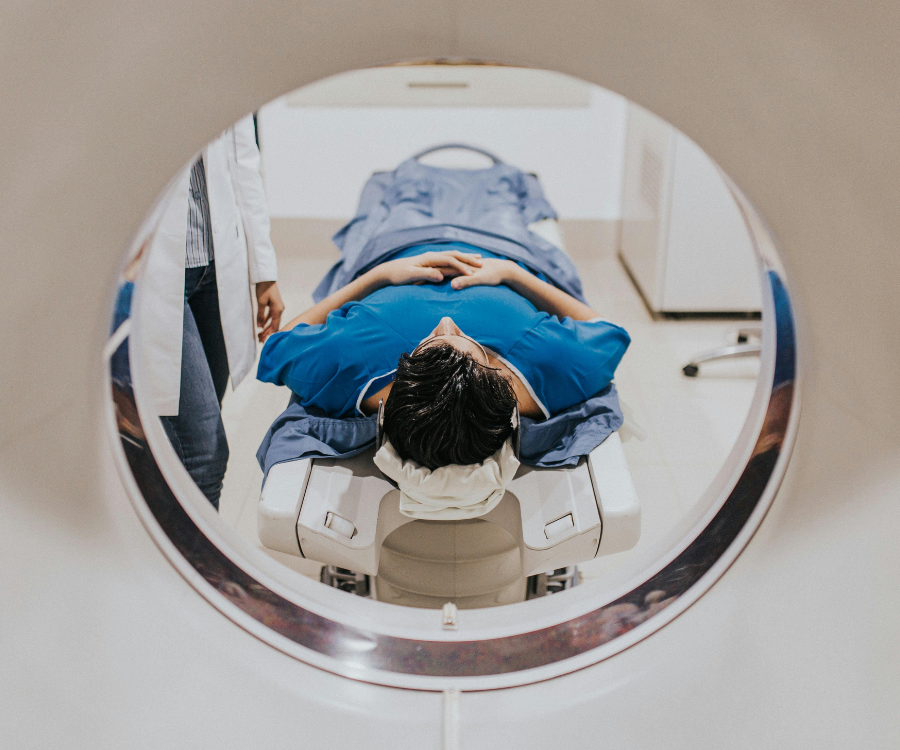
Magnetic Resonance Imaging (MRI) has emerged as one of the most powerful tools in this proactive approach. Unlike X-rays or CT scans, MRIs use powerful magnets and radio waves—not radiation—to create high-definition images of soft tissues. This clarity allows doctors to spot “silent” conditions in their infancy.
Here are five serious conditions that an MRI can detect early, often before you even feel a symptom.
1. Neurological Disorders (Alzheimer’s & MS)
The brain is incredibly complex, and by the time neurological symptoms like memory loss or motor issues appear, the condition may have already progressed.
- Multiple Sclerosis (MS): MRI is the “gold standard” for MS. It can identify small areas of nerve damage (lesions) on the brain and spinal cord long before they cause significant physical disability.
- Alzheimer’s Disease: While it’s difficult to diagnose with a single test, advanced MRI scans can detect brain atrophy (shrinking) in specific regions like the hippocampus, helping doctors identify early-stage dementia or cognitive impairment.
2. Early-Stage Cancers
MRI is exceptionally sensitive to soft tissue changes, making it a critical tool for oncology.
- Breast Cancer: For women with dense breast tissue, an MRI can often find small tumors that a traditional mammogram might miss.
- Prostate Cancer: Multiparametric MRI is now a standard for detecting “clinically significant” prostate cancer early, allowing for targeted biopsies and more effective treatment.
- Liver & Pancreatic Cancer: These organs are deep within the abdomen. MRI provides the resolution needed to spot tiny growths that other imaging might overlook.
3. Cardiovascular Risks
You don’t always need an invasive procedure to check your heart health. A Cardiac MRI provides a comprehensive look at the heart’s structure and how blood flows through its valves and chambers.
- Heart Disease: It can identify “silent” scarring from previous minor heart attacks you might not have known you had.
- Aneurysms: MRI is highly effective at spotting bulges in the aorta or cerebral vessels, allowing for monitoring or intervention before a life-threatening rupture occurs.
4. Stroke and TIA
Time is brain. While a CT scan is often used in emergencies to rule out bleeding, an MRI is far superior at detecting an ischemic stroke (caused by a clot) within minutes of it happening. It can also identify “mini-strokes” (TIAs), which are often warning signs of a much larger event on the horizon.
5. Joint and Spinal Issues
Chronic back or joint pain is often dismissed as “just getting older.” However, an MRI can reveal the actual root cause early on:
- Herniated Discs: Seeing exactly which nerve is being compressed helps prevent permanent nerve damage.
- Ligament Tears: For athletes or active individuals, catching a partial ACL or rotator cuff tear early can prevent a full rupture that would require major surgery.
Why Choose an MRI?
The biggest advantage of MRI technology is its accuracy without the radiation. Because it provides such detailed 3D images, it reduces the “guesswork” in medicine. When a condition is caught at “Stage 1” or in its “pre-symptomatic” phase, treatment is generally less invasive, less expensive, and much more successful.
Note: If you have metal implants (like a pacemaker or certain joint replacements), always inform your technician, as the powerful magnets can affect these devices.
Take the Next Step
Early detection is about peace of mind and taking control of your health journey.
No comment