
Can X-Rays Detect Arthritis Early? What You Need to Know
When your joints start to ache or feel stiff in the morning, your first instinct is to find out why. Naturally, you might think an X-ray is the quickest way to get an answer. But when it comes to the early stages of arthritis, the answer to “Can X-rays detect it?” is a bit more complicated than a simple yes or no.
Whether you are managing a sports injury or noticing age-related wear and tear, understanding how diagnostic imaging works is the first step toward effective treatment.
How X-Rays “See” Your Joints
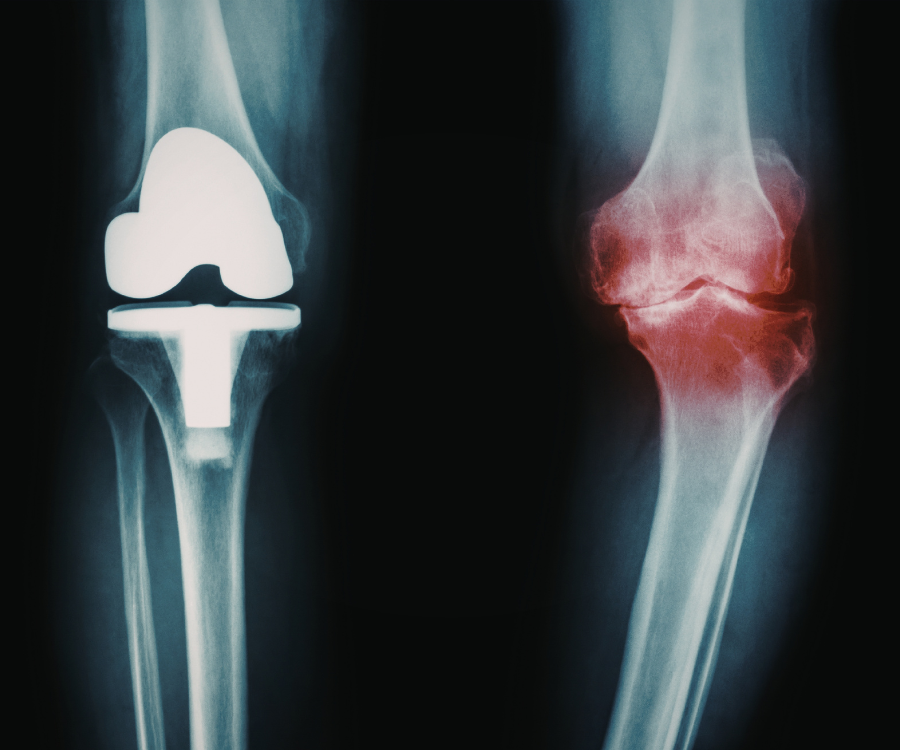
To understand why X-rays have limitations, it helps to know what they actually look for. X-rays are excellent at showing dense structures like bones. They can easily spot:
- Bone spurs (osteophytes).
- Narrowing of the space between joints (which indicates cartilage loss).
- Bone-on-bone contact in advanced stages.
However, arthritis doesn’t usually start in the bone. It often begins in the soft tissues—the cartilage, tendons, and the synovial lining—which are almost invisible on a standard X-ray.
The Challenges of Early Detection
In the very early stages of many types of arthritis, such as Rheumatoid Arthritis (RA) or early-stage Osteoarthritis, your bones may still look perfectly normal on an X-ray.
- The “Lag” Effect: Changes in the bone often happen long after the inflammation has started. You might feel significant pain even if your X-ray comes back “clean.”
- Cartilage is Invisible: Cartilage doesn’t show up on X-rays. Doctors have to “guess” how much cartilage is left by looking at how much space is between the bones.
- Inflammation vs. Damage: An X-ray shows permanent damage (the aftermath), but it doesn’t show active inflammation (the current process).
Better Alternatives for Early Diagnosis
If you have symptoms but your X-rays are clear, your doctor might suggest more sensitive imaging techniques:
- MRI (Magnetic Resonance Imaging): This is the gold standard for early detection. It can see fluid, swelling, and the very first signs of cartilage breakdown.
- Ultrasound: High-resolution ultrasound is becoming a favorite for detecting “synovitis” (inflammation of the joint lining) in its earliest stages.
- Blood Tests: Especially for autoimmune types like RA, blood markers (like CRP or ESR) can signal arthritis before any imaging can.
Why Doctors Still Start with X-Rays
Even though they might miss the earliest signs, X-rays are still the first step for a few reasons:
- Baseline: They provide a “starting point” to compare against future images.
- Exclusion: They help rule out other causes of pain, like fractures or infections.
- Cost and Accessibility: They are quick, inexpensive, and available at almost every clinic.
The Bottom Line
Can X-rays detect arthritis early? Usually, no. They are better at confirming arthritis once it has already caused structural changes to the bone.
If you are experiencing persistent joint pain, don’t be discouraged by a “normal” X-ray. Advocate for your health by discussing your symptoms in detail and asking if an MRI or ultrasound might be the right next step for you.
Are you experiencing joint stiffness that won’t go away? Would you like me to help you draft a list of specific questions to ask your doctor or a specialist at your next appointment?
No comment