
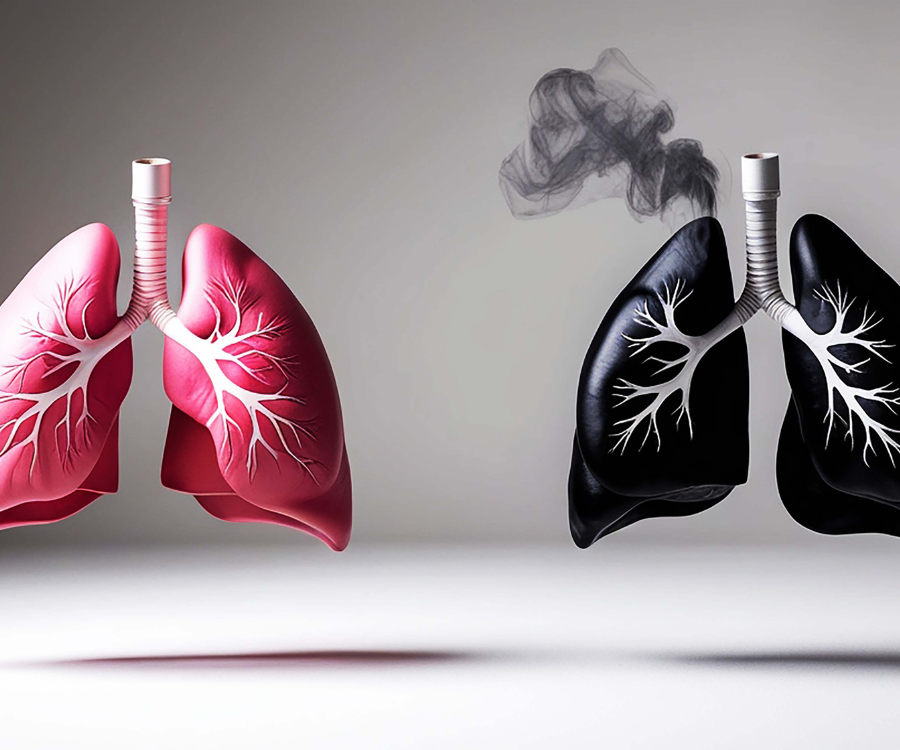
Clear Skies, Clear Lungs: Why Chest X-Rays Are a Lifesaver for Smokers
When you’ve been smoking for a while, it’s easy to play a bit of mental gymnastics. You tell yourself, “I feel fine,” “I don’t have a persistent cough,” or “I’ll catch it early if anything changes.”
But here’s the cold, hard truth about lung health: lungs are remarkably resilient, but they are also incredibly quiet when they are struggling. By the time noticeable symptoms like a chronic cough or shortness of breath pop up, a condition might already be well advanced.
If you smoke, or if you have a significant history of smoking, a routine chest X-ray is one of the most powerful, straightforward tools you have to take control of your health. Here is why this simple test deserves a top spot on your healthcare to-do list.
1. Catching the Unseen: The Power of Early Detection
The primary reason to get a chest X-ray is simple: early detection saves lives.
Conditions like chronic obstructive pulmonary disease (COPD), emphysema, and lung cancer develop slowly over years. In their earliest stages, they rarely cause pain or obvious symptoms because the lungs have very few pain receptors.
A chest X-ray acts like a window into your respiratory system. It allows doctors to spot structural changes, small masses, or areas of fluid accumulation long before you ever feel a symptom. When structural changes or abnormalities are caught early, the treatment options are significantly wider, less invasive, and much more effective.
2. It’s Not Just About Cancer
When smokers think about lung health, cancer is usually the first fear that comes to mind. While a chest X-ray is a frontline tool for spotting abnormal growths, it also checks for a host of other smoking-related respiratory issues that can quietly steal your quality of life:
- Emphysema: Smoking damages the air sacs (alveoli) in your lungs, reducing their elasticity. An X-ray can show hyperinflation of the lungs, a classic sign of emphysema.
- Chronic Bronchitis & Infection: Smokers are more susceptible to respiratory infections. An X-ray can rule out or diagnose pneumonia, fluid around the lungs (pleural effusion), or severe scarring.
- Cardiovascular Insights: Your heart and lungs work as a tight-knit team. Because smoking heavily impacts your blood vessels, a chest X-ray can also give your doctor a look at your heart’s size and the state of your major arteries, offering clues about your broader cardiovascular health.
3. A Reality Check That Empowers Change
There is a psychological side to medical imaging. For many smokers, seeing a physical image of their own lungs is a powerful turning point.
If the X-ray comes back clear, it offers massive peace of mind—and a golden opportunity, a “clean slate” motivation to kick the habit before damage occurs. If the X-ray shows early signs of wear and tear, it serves as a tangible, undeniable wake-up call. Knowing exactly what is happening inside your body can provide the precise spark of motivation needed to commit to a smoking cessation program.
What to Expect: Quick, Painless, and Easy
If you’ve been avoiding an X-ray out of anxiety, you can breathe easy. The process is incredibly straightforward:
- It’s Fast: The actual imaging takes just a few seconds. You’ll be in and out of the imaging room in minutes.
- It’s Painless: It is entirely non-invasive. You just stand against the X-ray plate, take a deep breath, and hold it.
- Low Radiation: Modern digital X-ray machines use minimal radiation doses, meaning the benefit of checking your lung health vastly outweighs the negligible exposure.
A Quick Note on Advanced Screening: While a standard chest X-ray is an excellent baseline tool, if you are a heavy, long-term smoker (for example, aged 50 or older with a history of a pack a day for 20 years), your doctor might recommend a low-dose CT scan (LDCT) for an even more detailed, three-dimensional look at your lung tissue.
Take the Next Step for Your Health
Investing a few minutes in a chest X-ray isn’t about looking for trouble—it’s about seeking clarity. It’s about taking ownership of your health, protecting your future, and ensuring you can breathe easily for years to come.
If you haven’t had your lungs checked recently, book an appointment with your healthcare practitioner and ask if a baseline chest X-ray is right for you. Your lungs will thank you.
No comment