
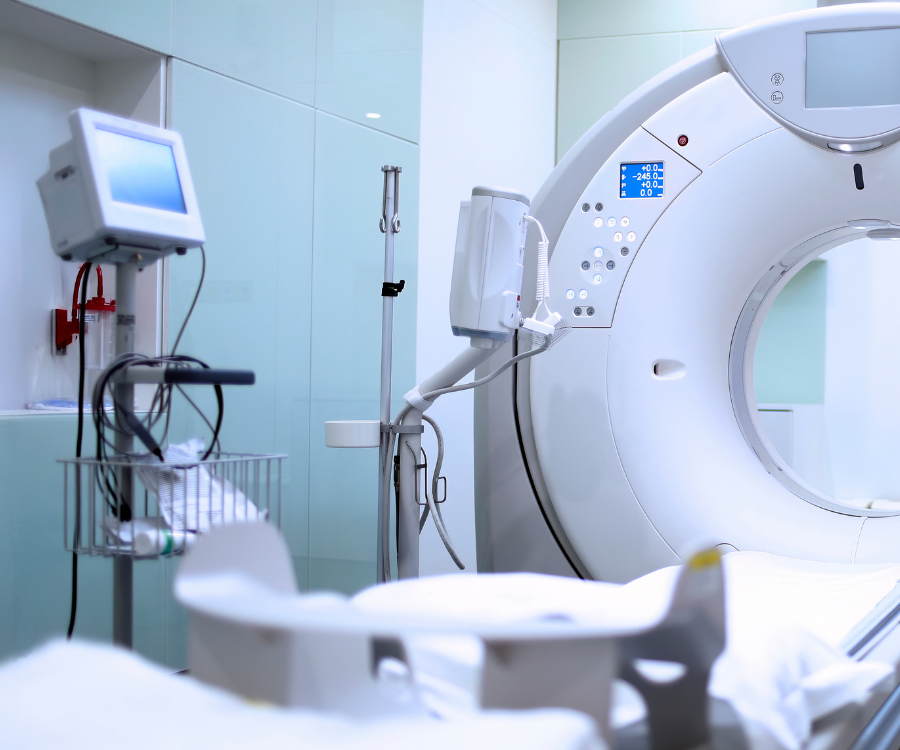
Can CT Scans Detect Disease Before Symptoms Appear? The Power of Early Detection
We’ve all heard the phrase, “Prevention is better than cure.” But in the world of modern medicine, early detection is often the closest thing we have to a cure. One of the most common questions patients ask radiologists is whether a CT (Computed Tomography) scan can actually “see” a disease before they even feel a single symptom.
The short answer? Yes. In many cases, CT scans are the ultimate “early warning system” of the medical world.
How CT Scans See the “Unseen”
Unlike a standard X-ray, which provides a flat, 2D image, a CT scan takes hundreds of pictures from different angles. A computer then stitches these “slices” together to create a highly detailed 3D map of your internal organs, bones, and blood vessels.
Because of this high resolution, CT scans can identify structural changes in the body that are far too small to cause pain or functional issues yet.
3 Major Diseases Detected Early via CT
While CT scans aren’t used to “scan everything” for no reason, they are incredibly effective at catching specific silent killers:
1. Lung Cancer
Lung cancer is notorious for being asymptomatic in its early stages. By the time a patient develops a persistent cough or chest pain, the disease is often advanced.
- The Solution: Low-Dose CT (LDCT) screenings can detect tiny nodules in the lungs—some as small as a grain of rice—years before they become symptomatic.
2. Heart Disease (Calcium Scoring)
You might feel perfectly fine while plaque is quietly building up in your coronary arteries.
- The Solution: A CT Calcium Score measures the amount of calcified plaque in your heart. This allows doctors to predict your risk of a heart attack and intervene with lifestyle changes or medication long before a cardiac event occurs.
3. Abdominal Aortic Aneurysms (AAA)
An aneurysm is a “bulge” in a blood vessel. If an abdominal aortic aneurysm ruptures, it is often fatal.
- The Solution: CT scans can identify these bulges during routine imaging for other issues, allowing surgeons to monitor or repair the vessel before it becomes a life-threatening emergency.
Is More Scanning Always Better?
While the ability to detect disease early is revolutionary, radiologists advocate for targeted screening rather than scanning “just because.” There are two main reasons for this:
- Radiation Exposure: While modern CT scanners use minimal doses, it is still medical radiation. We want to ensure the benefit of the scan outweighs the risk.
- Incidentalomas: Sometimes, a scan finds a tiny “spot” that is actually harmless (like a benign cyst). This can lead to unnecessary anxiety or invasive follow-up biopsies for something that would never have caused a problem.
The Bottom Line
CT scans are one of the most powerful tools in a doctor’s arsenal for catching disease in its “silent” phase. If you have risk factors—such as a history of smoking, a family history of heart disease, or specific genetic markers—talk to your doctor.
A single scan could provide the head start needed to manage a condition before it ever has a chance to change your life.
Disclaimer: This blog post is for informational purposes only and does not constitute medical advice. Always consult with a healthcare professional to determine if medical imaging is right for you.
No comment