
Osteoporosis: Why Early Detection Matters (and How to Protect Your Bones)
We tend to think of our bones as permanent, solid structures—like the wooden beams of a house. In reality, our skeleton is living, active tissue that is constantly breaking down and rebuilding itself. But as we age, that natural rebuilding process begins to slow down.
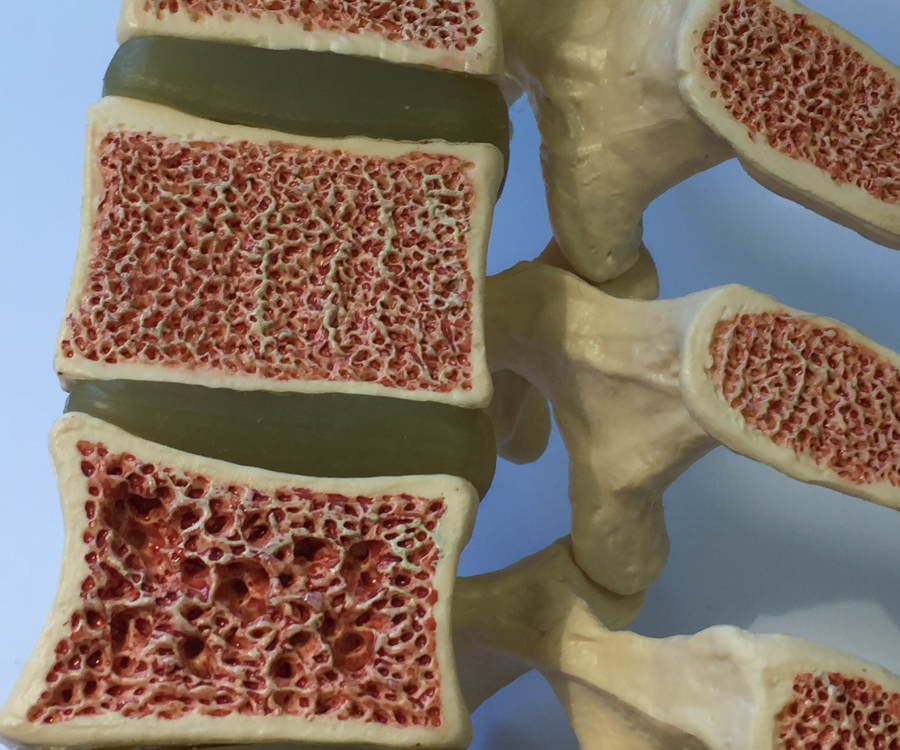
This slowdown can lead to osteoporosis, a condition where bones become increasingly porous, brittle, and prone to breaking. Because bone loss happens slowly and painlessly over many years, it’s heavily referred to in the medical community as a “silent” condition. By the time you actually feel it—usually through a painful fracture from a minor fall—the disease has already advanced significantly.
That’s exactly why early detection isn’t just helpful; it’s an absolute necessity.
The Danger of Waiting for Symptoms
For many adults, the very first sign that they have osteoporosis is a serious fracture, often in the hip, spine, or wrist.
The statistics are sobering: Nearly 1 in 5 women and 1 in 20 men over the age of 50 are affected by osteoporosis. If you wait until a bone breaks to start thinking about bone density, you are missing a critical window of opportunity. Fractures in older adults aren’t just inconvenient; they can severely impact your independence, mobility, and overall vitality.
Early detection gives you the power of time. It gives you the runway to stabilize your bone density, implement lifestyle changes, and start treatments before a fracture turns your life upside down.
The Gold Standard: The DEXA Scan
So, how do you catch a silent condition before it strikes? The answer is a DEXA scan (Dual-Energy X-ray Absorptiometry).
Considered the gold standard for measuring bone mineral density, a DEXA scan is a fast, completely painless, and non-invasive imaging test. You simply lie in your regular clothes on a padded table for about 15 to 20 minutes. An arm passes over your body, using a very low, safe dose of X-rays to measure the thickness and strength of your bones, usually focusing on the hip and lower spine.
Understanding Your T-Score
After your scan, your doctor will give you a T-score, which is a statistical calculation that compares your current bone density to that of a healthy young adult. It breaks down like this:
| T-Score Range | What It Means |
| -1.0 and above | Normal bone density. |
| Between -1.0 and -2.4 | Osteopenia (low bone mass; an early warning sign). |
| -2.5 and below | Osteoporosis (significant bone thinning and high fracture risk). |
Source: World Health Organization guidelines.
Catching bone loss in the osteopenia stage is a massive win. It acts as an early warning system, allowing you and your healthcare provider to take proactive, preventative steps so it never progresses into full-blown osteoporosis.
Who Should Get Screened?
You don’t need to wait until your senior years to start a conversation with your doctor about bone health. However, medical guidelines generally recommend a baseline DEXA scan for:
- Women aged 65 and older
- Men aged 70 and older
- Adults over 50 who have suffered a “fragility fracture” (breaking a bone from a standing height)
- Anyone taking bone-thinning medications (like long-term corticosteroids or certain cancer treatments)
You might also need earlier screening if you have a strong family history of osteoporosis, conditions like rheumatoid arthritis, or if you went through early menopause.
Taking Control of Your Bone Health
Your bones support you every single day—it’s only fair to return the favor. If you fall into any of the risk categories, or if you simply want a baseline understanding of your skeletal health, ask your doctor about scheduling a bone density scan.
Remember: Osteoporosis is completely silent until it isn’t. Catching it early is the single best tool you have to keep your foundation strong for decades to come.
No comment